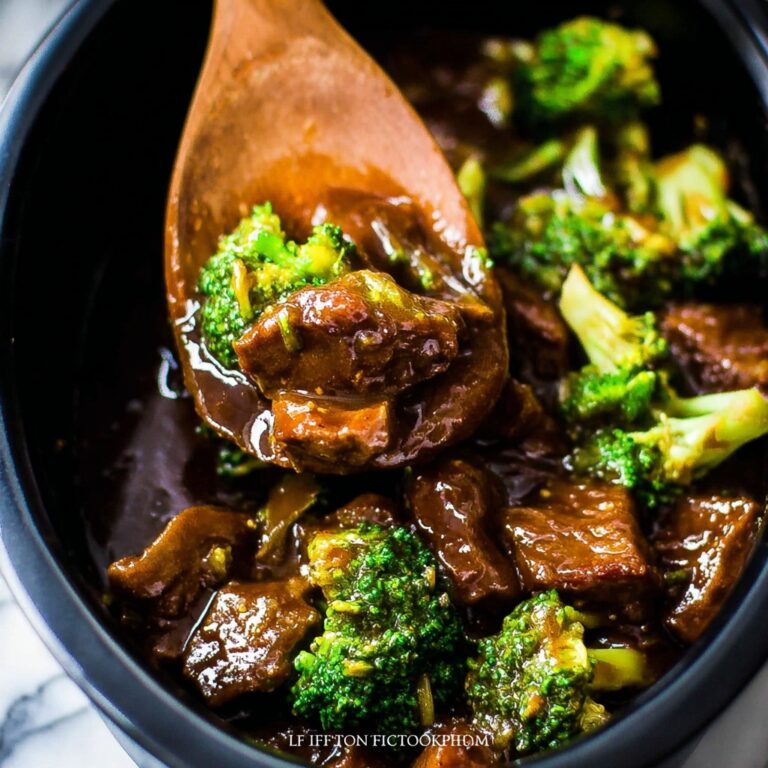
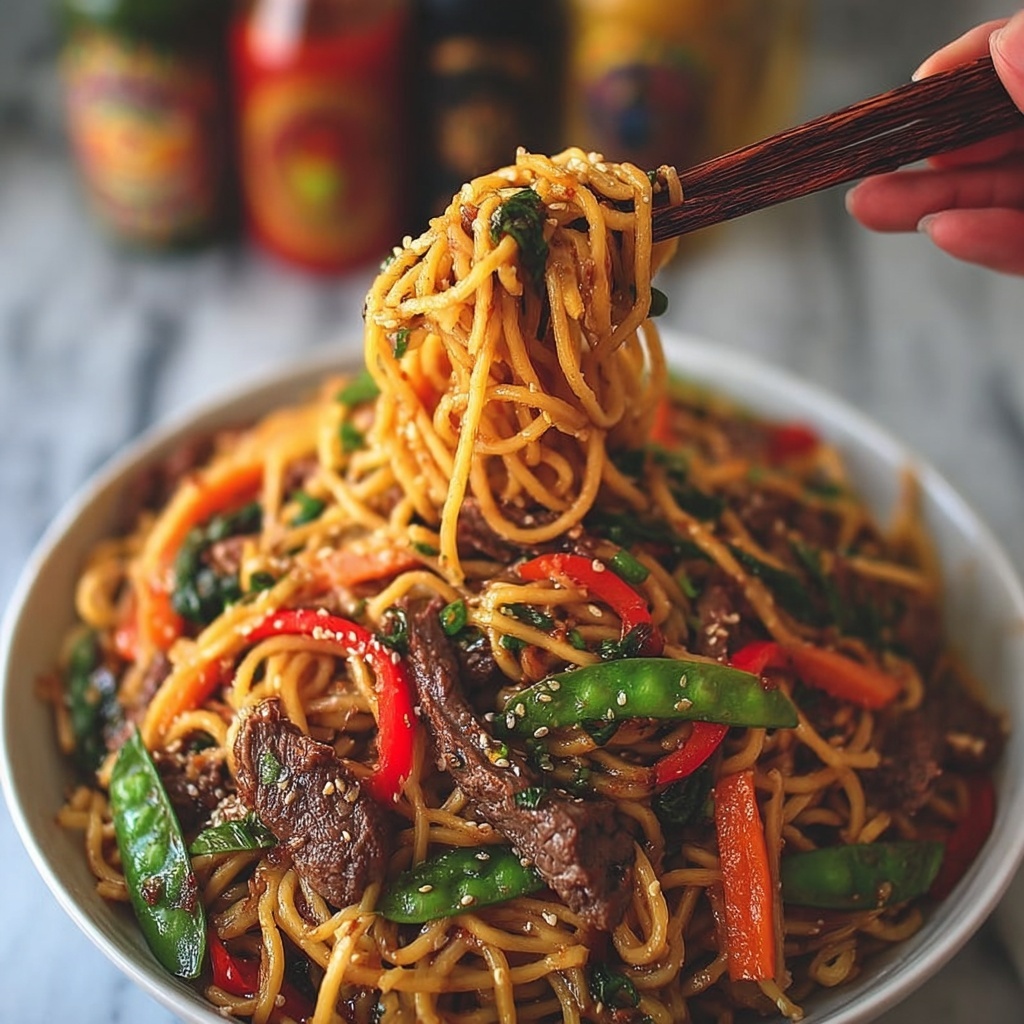
If you’ve ever craved a dinner that’s bursting with savory flavors, vibrant veggies, and tender beef wrapped in silky noodles, then this Beef Lo Mein Recipe is exactly what you need in your life. This dish brings together perfectly marinated flank steak, fresh vegetables, and luscious noodles tossed in a sauce that balances salty, sweet, and umami. Whether you’re cooking for a busy weeknight or impressing friends, this recipe is a delightful, crowd-pleasing journey straight to the heart of classic Chinese comfort food.
Ingredients You’ll Need
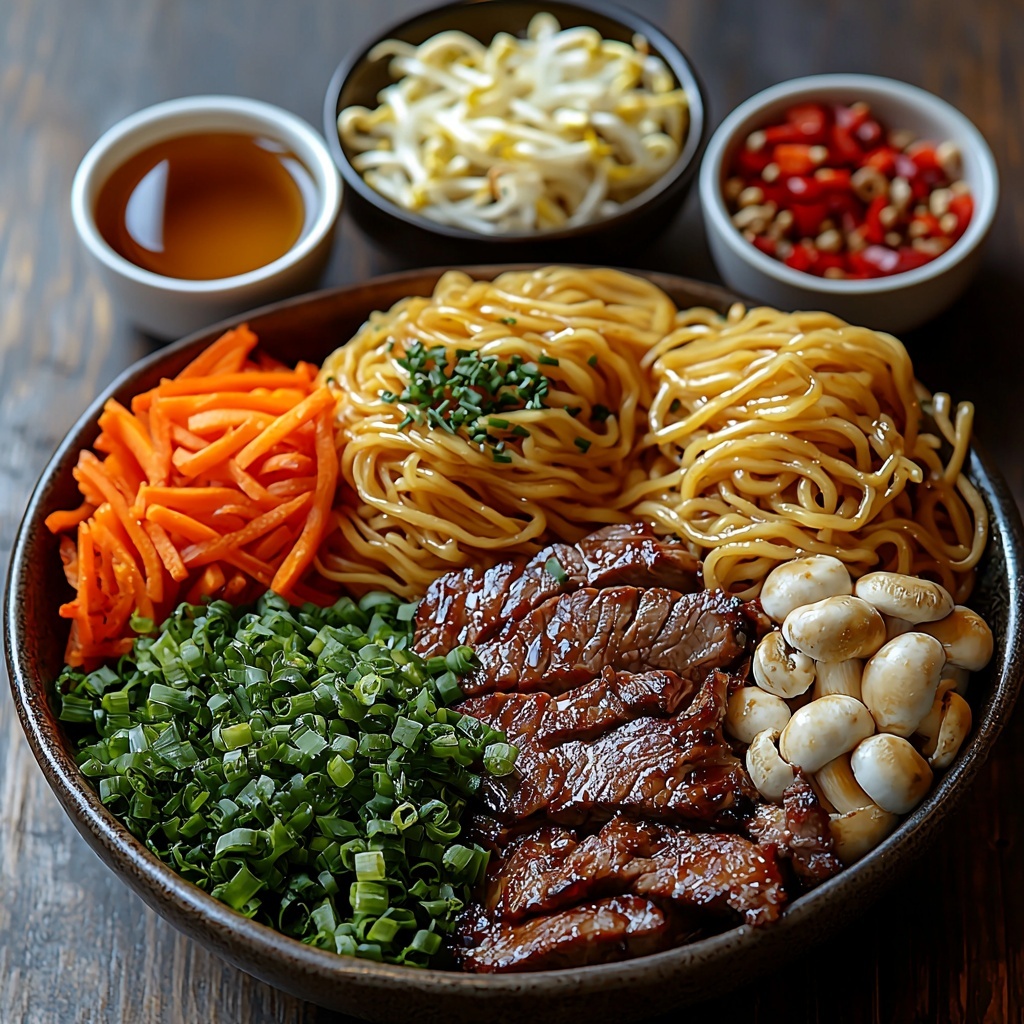
Ingredients You’ll Need
These ingredients are simple yet essential, each contributing a unique texture or burst of flavor that makes this Beef Lo Mein Recipe sing. From the tender marinated beef to the crisp snow peas and savory sauces, every component plays a role in creating a harmonious and colorful plate.
- Flank steak (12 ounces): Thinly sliced for tenderness and quick cooking.
- Cornstarch (1 teaspoon): Helps tenderize the beef and gives it a glossy finish.
- Soy sauce (light, 1 tablespoon and 1 teaspoon for marinade): Adds umami and saltiness to the beef and sauce.
- Vegetable oil (2 teaspoons plus 2 tablespoons): For cooking everything evenly without sticking.
- Baking soda (1/4 teaspoon): Works wonders to make the beef extra tender.
- Oyster sauce (1 tablespoon): Brings a deep, rich, slightly sweet flavor.
- Dark soy sauce (2 teaspoons): Enhances color and provides a richer soy flavor.
- Sesame oil (1/2 teaspoon): Adds a nutty aroma that finishes the dish beautifully.
- Salt (1/2 teaspoon, or to taste): Balances the flavors perfectly.
- Sugar (1/4 teaspoon): Rounds out the sauce by cutting through the saltiness.
- White pepper (1/4 teaspoon): Gives a subtle peppery kick without overpowering.
- Fresh lo mein noodles (1 pound): The silky base that soaks up all those amazing flavors.
- Garlic (1 clove, minced): Infuses the dish with an aromatic punch.
- Carrot (1 medium, julienned): Adds a crunchy sweetness and bright color.
- Red bell pepper (1/2, julienned): Provides a fresh, crisp texture and vibrant pop of red.
- Mushrooms (1/2 cup, sliced): Contributes earthiness and chewiness.
- Bamboo shoots (1/2 cup, strips or sliced): Offers a unique, tender crunch.
- Napa cabbage (2 cups, shredded): Softens when cooked, adding volume and mild flavor.
- Snow peas (2/3 cup): Keeps the dish light and adds a sweet snap.
- Mung bean sprouts (2 cups): Gives a fresh, crisp contrast to the cooked noodles.
- Shaoxing wine (1 tablespoon): Lends a subtle depth and fragrance typical of Chinese cooking.
- Scallions (2, julienned, white and green parts separated): White parts add sharpness during stir-fry, green parts brighten the finished dish.
How to Make Beef Lo Mein Recipe
Step 1: Marinate the Beef
Start by slicing the flank steak into thin strips against the grain—this ensures every bite is tender. Combine the beef with baking soda, cornstarch, soy sauce, and vegetable oil for a quick velveting marinade. This step is crucial to lock in flavor and achieve that glossy finish, making the beef irresistibly soft. Let it sit for 30 minutes while you prep the other ingredients.
Step 2: Prepare the Lo Mein Sauce
Mix light soy sauce, oyster sauce, dark soy sauce, sesame oil, salt, sugar, and white pepper in a small bowl. This blend is the heart of the dish, combining salty, sweet, and umami notes that will coat the noodles and veggies perfectly.
Step 3: Get Your Noodles and Veggies Ready
If using pre-cooked lo mein noodles, rinse them under hot water to loosen their strands and drain well. Otherwise, cook fresh noodles until just al dente. Prepare and arrange the garlic, carrot, bell pepper, mushrooms, bamboo shoots, napa cabbage, snow peas, mung bean sprouts, and scallions so you can add them quickly during stir-frying without missing a beat.
Step 4: Sear the Beef
Heat your wok over high heat until it’s almost smoking. Add one tablespoon of vegetable oil and lay the beef strips in a single layer. Sear each side quickly for about 30 seconds, just enough to lock in the juices and develop a slight char. Then remove and set aside. This step adds a lovely texture and flavor to the beef.
Step 5: Stir-Fry the Harder Vegetables
In the same wok, add another tablespoon of oil and toss in the garlic, carrots, red bell peppers, and mushrooms. Stir-fry for 30 seconds to soften them just a bit while still keeping their crispness and bright colors.
Step 6: Add Softer Vegetables
Add bamboo shoots and the white parts of the scallions, stir-frying for about 20 seconds more. Then incorporate the napa cabbage, raising the heat to its peak. Stir everything together for about 30 seconds so the cabbage wilts slightly but retains some crunch.
Step 7: Incorporate the Noodles
Add your noodles—warm or room temperature works best—and spread them out to prevent clumping. If they’re sticking together, a quick rinse under hot water can help before adding them in. This step ensures each strand will evenly soak up sauce without turning into a sticky mess.
Step 8: Pour in Shaoxing Wine and Toss
Drizzle the Shaoxing wine around the edges of the wok, then toss the noodles and vegetables using a scooping motion to evenly distribute flavors and lift everything off the wok’s surface. This technique mimics restaurant stir-fry and helps noodles absorb flavor without sticking.
Step 9: Add Sauce and Mix Thoroughly
Pour in the pre-mixed sauce and keep stir-frying with that scooping motion, scraping the wok’s bottom often. The sauce thickens slightly and coats every noodle and veggie strand, melding all those delicious flavors into one savory bite.
Step 10: Return Beef and Add Crunchy Veggies
Finally, stir in the snow peas, mung bean sprouts, and your seared beef along with any juices that have accumulated in the bowl. Continue stir-frying until everything is heated through and blended in harmony, creating a perfect mix of textures and tastes.
Step 11: Finish with Scallions and Adjust Seasoning
Toss in the green parts of the scallions and give your Beef Lo Mein Recipe a final taste test. Adjust with more salt, soy sauce, oyster sauce, sesame oil, or white pepper if desired. Once it’s just right, plate it up and serve with your favorite chili oil or hot sauce to add a spicy kick, if you like.
How to Serve Beef Lo Mein Recipe
Garnishes
Fresh scallion greens add a burst of color and light onion flavor that brightens the dish. A sprinkle of toasted sesame seeds or a drizzle of chili oil can also add appealing texture and heat that takes this Beef Lo Mein Recipe to the next level.
Side Dishes
Keep sides simple with steamed dumplings, hot and sour soup, or even crispy spring rolls. They complement the rich, satisfying main dish and create a well-rounded meal that’s as fun to eat as it is delicious.
Creative Ways to Present
Serve your Beef Lo Mein in individual bowls garnished with fresh herbs like cilantro or mint to add freshness. Alternatively, plate it on a large serving platter, letting everyone scoop their own portions for a casual, family-style dinner that encourages sharing and conversation.
Make Ahead and Storage
Storing Leftovers
Keep any leftovers in an airtight container in the refrigerator for up to 3 days. The noodles might absorb more sauce overnight, so adding a splash of water or soy sauce before reheating helps revive their texture.
Freezing
While freezing is possible, it’s best enjoyed fresh for maximum texture and flavor. If needed, freeze in a sealed container for up to 1 month, but expect the noodles and vegetables to soften upon thawing.
Reheating
Reheat leftover Beef Lo Mein Recipe gently in a skillet over medium heat with a splash of water or broth to loosen the noodles. Stir frequently to avoid sticking and to warm everything evenly without overcooking the beef.
FAQs
Can I use a different cut of beef?
Absolutely! Flank steak is perfect for quick stir-fry because of its tenderness, but sirloin or ribeye thinly sliced can also work well. Just adjust cooking times to avoid overcooking.
What if I can’t find fresh lo mein noodles?
Don’t worry if you can’t find fresh noodles—dry or frozen lo mein noodles work fine too. Just cook according to the package instructions and make sure they are separated before adding to the wok.
Can I make this dish vegetarian?
Yes! Simply omit the beef and replace with firm tofu or more mushrooms for a satisfying vegetarian twist. Use vegetable-based sauces or mushroom oyster sauce for an umami boost.
How spicy is this recipe?
This Beef Lo Mein Recipe is mild by default, but it’s a perfect canvas for chili oil or hot sauce on the side for those who love a little heat. You control how spicy you want it!
Is this recipe suitable for meal prep?
Definitely. It reheats well and provides a balanced meal with protein, vegetables, and carbs. Just store components separately if possible to keep textures at their best for your weekday lunches or dinners.
Final Thoughts
This Beef Lo Mein Recipe truly has it all—simple ingredients, quick prep, and amazing flavors that come together to create a satisfying meal everyone will love. Once you try it, you’ll see how easy it is to bring restaurant-quality stir-fry into your own kitchen. So grab your wok and get cooking; your new favorite weeknight meal awaits!
Print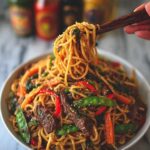
Beef Lo Mein Recipe
- Prep Time: 35 minutes
- Cook Time: 10 minutes
- Total Time: 45 minutes
- Yield: 6 servings
- Category: Main Dish
- Method: Stir-Frying
- Cuisine: Chinese
Description
This classic Beef Lo Mein recipe features tender marinated flank steak stir-fried with fresh vegetables and lo mein noodles in a savory, flavorful sauce made from a blend of soy sauces, oyster sauce, and aromatic seasonings. Perfect for a quick, satisfying, and authentic Chinese-inspired meal that serves six.
Ingredients
Beef Marinade
- 12 ounces flank steak
- 1 teaspoon cornstarch
- 1 teaspoon soy sauce
- 1 teaspoon vegetable oil
- 1/4 teaspoon baking soda
Sauce
- 1 tablespoon light soy sauce
- 1 tablespoon oyster sauce
- 2 teaspoons dark soy sauce
- 1/2 teaspoon sesame oil
- 1/2 teaspoon salt (or to taste)
- 1/4 teaspoon sugar
- 1/4 teaspoon white pepper
Noodles and Vegetables
- 1 pound fresh lo mein noodles
- 1 clove garlic (minced)
- 1 medium carrot (julienned)
- 1/2 red bell pepper (julienned)
- 1/2 cup mushrooms (sliced)
- 1/2 cup bamboo shoots (strips or sliced)
- 2 cups Napa cabbage (shredded)
- 2/3 cup snow peas
- 2 cups mung bean sprouts
- 2 tablespoons vegetable oil (divided)
- 1 tablespoon Shaoxing wine
- 2 scallions (julienned, white and green parts separated)
Instructions
- Marinate the Beef: Slice the flank steak thinly against the grain. In a small bowl, combine the sliced beef with baking soda, cornstarch, soy sauce, and vegetable oil. This velveting step tenderizes the beef and imparts flavor. Set the beef aside to marinate for 30 minutes.
- Prepare the Sauce: In a separate small bowl, mix together light soy sauce, oyster sauce, dark soy sauce, sesame oil, salt, sugar, and white pepper to create the lo mein sauce.
- Prep Noodles and Vegetables: If using cooked lo mein noodles, rinse them under hot water to loosen and drain well. If uncooked, cook noodles according to package instructions until al dente, then drain. Mince the garlic and julienne the carrot, red bell pepper, and scallions. Slice mushrooms and bamboo shoots, shred Napa cabbage, and have snow peas and mung bean sprouts ready.
- Sear the Beef: Heat a wok over high heat until lightly smoking. Add 1 tablespoon of vegetable oil to coat the wok and place the marinated beef in a single layer. Sear each side for approximately 30 seconds to create a flavorful crust. Remove beef and set aside.
- Stir-Fry Initial Vegetables: Add the remaining tablespoon of vegetable oil to the wok. Stir-fry garlic, julienned carrots, red bell peppers, and sliced mushrooms for about 30 seconds until aromatic and slightly tender.
- Add More Vegetables: Toss in bamboo shoots and the white parts of the scallions; stir-fry for 20 seconds. Then add shredded Napa cabbage and continue stir-frying over high heat for an additional 30 seconds to keep vegetables crisp-tender.
- Add Noodles: Add warm or room temperature noodles to the wok, making sure they are separate and not stuck together. If needed, rinse briefly in hot water to loosen. Mix gently.
- Deglaze and Toss: Pour Shaoxing wine around the edges of the wok to deglaze. Toss noodles and vegetables with a scooping motion, warming everything through for about 30 seconds to 1 minute.
- Add Sauce: Pour in the prepared lo mein sauce. Continue stir-frying and tossing to evenly distribute the sauce, scraping the wok bottom to prevent sticking. Maintain high heat.
- Finish Stir-Frying: Add snow peas, mung bean sprouts, and the seared beef along with any collected juices back into the wok. Stir-fry until everything is heated through and combined thoroughly.
- Final Touches and Serve: Toss in the green parts of the scallions. Taste and adjust seasoning with additional salt, soy sauce, oyster sauce, sesame oil, or white pepper if desired. Serve immediately with chili oil or hot sauce on the side.
Notes
- Velveting the beef with baking soda and cornstarch ensures a tender and succulent texture.
- Use a well-seasoned wok and high heat to prevent sticking and achieve authentic stir-fry flavor.
- Feel free to substitute flank steak with sirloin or skirt steak if preferred.
- Adjust the seasoning to your taste by adding more soy sauce or chili oil for heat.
- Fresh lo mein noodles provide the best texture but cooked dried noodles can be used as a substitute.
- Keep all vegetables uniformly cut to ensure even cooking during the quick stir-fry.