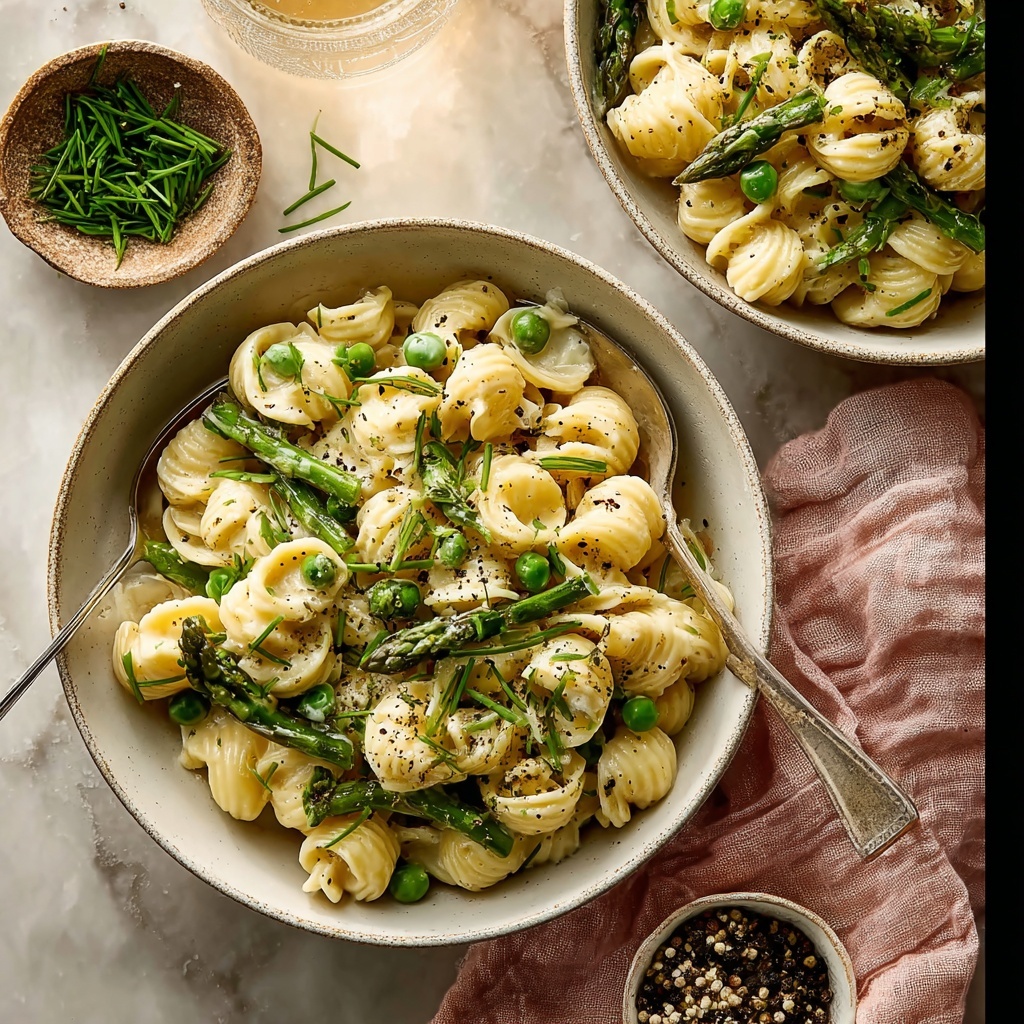
If you’ve been searching for a luscious, bright, and deeply satisfying dish, look no further than this Creamy Goat Cheese Pasta with Asparagus and Peas Recipe. Every forkful offers tender pasta spirals coated in an irresistibly creamy goat cheese sauce, punctuated by the sweet freshness of peas and the slight crispness of asparagus. It feels indulgent yet light, with bursts of herbaceous flavor from tarragon and chives, making it perfect for a cozy dinner or a special occasion. Trust me, once you try this recipe, its silky texture and vibrant ingredients will make it a new favorite in your kitchen repertoire.
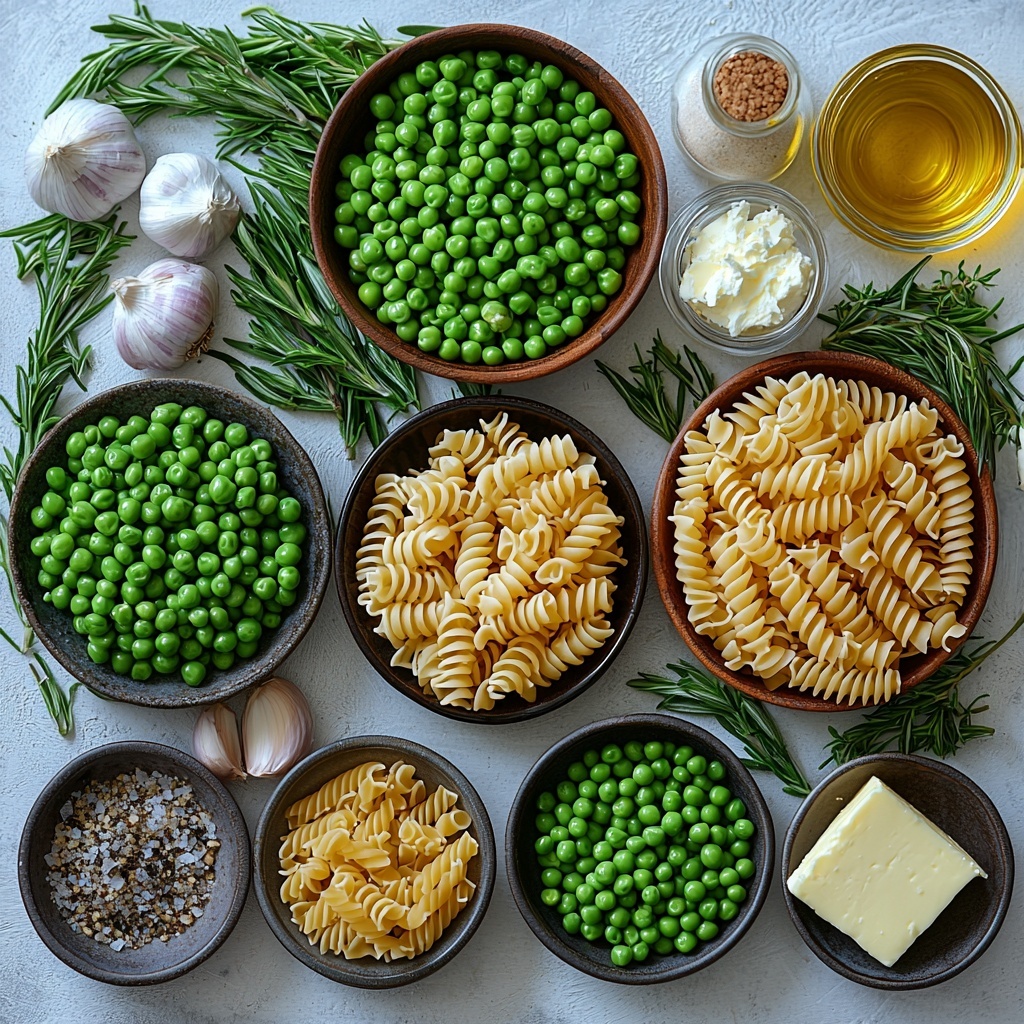
Ingredients You’ll Need
Everything you need for this dish is fresh, simple, and straightforward—each ingredient plays a vital role in creating a dish that’s both visually stunning and completely crave-worthy. From the tangy goat cheese to the crisp asparagus and sweet peas, this combination works in harmony to deliver a balance of creaminess, bright notes, and satisfying textures.
- 12 ounces curly pasta (trottole or fusilli): These shapes hold the sauce perfectly, capturing every bit of creaminess.
- 1 tablespoon plus 1 teaspoon kosher salt: Essential for well-seasoned pasta water and final seasoning.
- 2 cups frozen peas: Add naturally sweet pops of flavor—and they cook right in with the pasta.
- 1 bunch of asparagus: Woody ends removed and cut into 1-inch pieces, they bring crunch and freshness.
- 2 tablespoons unsalted butter: For that luscious richness in the sauce base.
- 1 tablespoon extra virgin olive oil: Adds depth and smoothness to the sautéed aromatics.
- 1/4 cup roughly chopped shallots: Mellow and sweet, they build flavorful complexity.
- 2 garlic cloves, minced: A subtle kick that wakes up the sauce without overpowering.
- 1/4 teaspoon crushed red pepper flakes (optional): Adds a gentle heat, but you can adjust to your spice preference.
- 1/2 cup dry white wine: Sharpening acidity that cuts through the richness and marries the flavors.
- 1/4 cup chopped fresh tarragon leaves: Bright anise notes that elevate the dish’s aromatic profile.
- 1/4 cup chopped fresh chives: Mild onion flavor for freshness and color.
- 6-ounce log goat cheese: The star ingredient—creamy, tangy, and melt-in-your-mouth delicious.
- 2 tablespoons lemon juice: Adds a vibrant zing to balance the creaminess.
- 1/2 teaspoon freshly ground black pepper: Finishing touch for a perfect seasoning balance.
How to Make Creamy Goat Cheese Pasta with Asparagus and Peas Recipe
Step 1: Cook Pasta with Vegetables
Start by bringing a large pot of water to a lively boil, then generously salt it—it’s your first chance to infuse flavor into the pasta. Add the pasta and let it cook until just shy of al dente, about two minutes less than the package recommends. At this point, toss in the frozen peas and asparagus pieces, cooking together for two more minutes so the vegetables become tender but still have a satisfying bite. Scoop out and save a cup of the starchy pasta water before draining everything—this reserved liquid will help achieve the ultimate creamy sauce.
Step 2: Sauté Aromatics
In the same pot (which means less clean-up and more flavor), lower the heat to medium and melt the butter alongside the olive oil. When that’s fragrant and melted, add your chopped shallots, minced garlic, and the crushed red pepper flakes if you’re using them. Stir this mix gently, letting the shallots soften without browning, which takes about two minutes. This step builds the base of the sauce, infusing it with savory depth and a hint of warmth.
Step 3: Deglaze and Add Herbs
Pour in the dry white wine, then sprinkle in the fresh tarragon and chives. The wine helps to lift any delicious browned bits stuck to the pot, while also reducing and concentrating the mixture. Continue cooking and stirring until the wine has reduced by about half, which takes around two minutes. This creates a beautifully aromatic and slightly tangy foundation for the goat cheese sauce to come.
Step 4: Melt in the Goat Cheese Sauce
Now, it’s time for the star of the show: goat cheese. Add the goat cheese log chunks along with a quarter cup of that reserved pasta water, the lemon juice, a teaspoon of salt, and freshly ground pepper. Stir continuously until the goat cheese melts completely and blends with the other ingredients into a silky, smooth sauce. The reserved pasta water is crucial here—it not only loosens the sauce but also adds that lovely creaminess you want each bite to have.
Step 5: Combine Pasta and Sauce
Remove the pot from heat to keep the sauce from overcooking and getting grainy. Gently fold the pasta, peas, and asparagus back into the sauce, tossing to coat every piece evenly. If the sauce looks too thick, add more pasta water, about 1/4 cup at a time, until you reach the perfect luscious consistency. This step ensures every bite is bursting with flavor and that signature creamy texture.
Step 6: Garnish and Serve
Finish by scattering a few extra fresh herbs and a sprinkle of crushed red pepper flakes on top for a little color and brightness. Serve warm and prepare for plenty of compliments; this Creamy Goat Cheese Pasta with Asparagus and Peas Recipe shines with its perfect balance of richness, freshness, and comforting textures.
How to Serve Creamy Goat Cheese Pasta with Asparagus and Peas Recipe
Garnishes
Fresh herbs like extra chopped tarragon and chives are irresistible garnishes that add pops of green and fresh flavor right before serving. Don’t forget a quick sprinkle of crushed red pepper flakes for those who love a subtle hint of spice. A light drizzle of good olive oil just before plating can add a silky sheen, making the dish look as good as it tastes.
Side Dishes
This pasta stands beautifully on its own but pairs wonderfully with a crisp side salad—think baby arugula with lemon vinaigrette or a simple mixed greens salad to lighten the meal. If you’re feeling indulgent, a piece of crusty artisan bread is perfect for mopping up any leftover creamy sauce. A chilled glass of dry white wine served alongside echoes the flavors inside the pasta for a harmonious dining experience.
Creative Ways to Present
For a dinner party, serve this Creamy Goat Cheese Pasta with Asparagus and Peas Recipe in a large shallow bowl where the colors of the green veggies and herbs can really shine. Alternatively, twirl individual portions onto plates using a carving fork to create inviting nests of pasta. For a more rustic vibe, a cast-iron skillet brought straight to the table keeps the pasta warm and looks effortlessly charming.
Make Ahead and Storage
Storing Leftovers
Leftover Creamy Goat Cheese Pasta with Asparagus and Peas Recipe keeps well in an airtight container in the refrigerator for up to three days. To retain the sauce’s creaminess, gently mix in a splash of water or broth before reheating, as the pasta tends to absorb liquid while sitting.
Freezing
This dish is best enjoyed fresh, but if you want to freeze it, do so before adding the fresh herbs and lemon juice. Freeze in a freezer-safe container for up to one month. When thawing, do so in the refrigerator overnight and reheat gently on the stovetop, adding a bit of liquid to restore the creamy texture.
Reheating
Reheat Creamy Goat Cheese Pasta with Asparagus and Peas Recipe slowly on low heat, stirring frequently to prevent the sauce from breaking. Adding a splash of reserved pasta water, milk, or broth can revive the smooth sauce and bring back that fresh-from-the-stove indulgence.
FAQs
Can I use fresh peas instead of frozen?
Absolutely! Fresh peas are wonderful in this recipe and add a bright sweetness. Just cook them alongside the pasta in the last couple of minutes as you would frozen peas to keep them tender yet vibrant.
What type of goat cheese is best for this pasta?
Choose a creamy, mild goat cheese log rather than a crumbly or aged variety. The freshness and creaminess help the cheese melt smoothly, creating that velvety sauce this recipe is known for.
Can I substitute the white wine with something else?
If you prefer to avoid alcohol, vegetable broth with a splash of lemon juice works well to provide acidity and deepen flavor without overpowering the delicate ingredients.
How do I prevent the sauce from becoming grainy?
The key is to remove the pot from direct heat before adding the goat cheese, and stir gently until the cheese melts slowly using some reserved pasta water to loosen the sauce gradually.
Is this recipe suitable for a vegetarian diet?
Yes! It contains no meat or fish and relies on fresh vegetables and goat cheese for a rich, satisfying vegetarian meal.
Final Thoughts
This Creamy Goat Cheese Pasta with Asparagus and Peas Recipe is one of those dishes that feels like a warm hug on a plate—comforting, bright, and absolutely delicious. It’s a perfect balance of easy preparation and impressive flavor that anyone can master in their kitchen. I can’t wait for you to try it and make it your own signature pasta dinner. Enjoy every blissful bite!
Print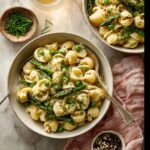
Creamy Goat Cheese Pasta with Asparagus and Peas Recipe
- Prep Time: 10 minutes
- Cook Time: 15 minutes
- Total Time: 25 minutes
- Yield: 6 servings
- Category: Main Dish
- Method: Stovetop
- Cuisine: Italian
- Diet: Vegetarian
Description
This creamy goat cheese pasta with asparagus and peas is a delightful springtime dish bursting with fresh flavors. Tender pasta is cooked with crisp asparagus and sweet peas, then tossed in a luscious goat cheese sauce infused with fresh herbs, garlic, and a hint of white wine. Perfectly balanced with a touch of lemon juice and subtle spice, this easy-to-make recipe serves as a comforting yet elegant meal for six.
Ingredients
Pasta and Vegetables
- 12 ounces curly pasta (such as trottole or fusilli)
- 2 cups frozen peas
- 1 bunch asparagus, woody ends removed, cut into 1-inch pieces
- 1 tablespoon plus 1 teaspoon kosher salt, plus more to taste
Sauce
- 2 tablespoons unsalted butter
- 1 tablespoon extra virgin olive oil
- 1/4 cup roughly chopped shallots (from about 1 large shallot)
- 2 garlic cloves, minced
- 1/4 teaspoon crushed red pepper flakes, optional, plus more for serving
- 1/2 cup dry white wine
- 1/4 cup chopped fresh tarragon leaves, plus more for serving
- 1/4 cup chopped fresh chives, plus more for serving
- 6-ounce goat cheese log
- 2 tablespoons lemon juice
- 1/2 teaspoon freshly ground black pepper
Instructions
- Cook pasta and vegetables: Bring a large pot of water to a boil. Add 1 tablespoon of kosher salt, then the pasta. Cook until just shy of al dente, about 2 minutes less than package instructions. Add frozen peas and asparagus pieces, cooking 2 more minutes until pasta is al dente and vegetables are tender. Reserve 1 cup of pasta water, drain the rest, and set pasta and vegetables aside.
- Sauté aromatics: In the same pot, reduce heat to medium and melt the butter with olive oil. Add chopped shallots, minced garlic, and red pepper flakes if using. Cook, stirring occasionally, until shallots become tender, approximately 2 minutes.
- Deglaze with wine and add herbs: Pour in dry white wine, then stir in chopped tarragon and chives. Cook, stirring frequently, until the wine has reduced by half, about 2 minutes, concentrating the flavors.
- Create goat cheese sauce: Add the goat cheese, 1/4 cup reserved pasta water, lemon juice, 1 teaspoon kosher salt, and freshly ground black pepper. Stir continuously until the goat cheese melts fully and the sauce becomes smooth and creamy.
- Combine pasta and sauce: Remove the pot from heat, add the cooked pasta and vegetable mixture back into the sauce. Toss thoroughly to coat, adding up to an additional 1/4 cup reserved pasta water if the sauce needs loosening.
- Garnish and serve: Sprinkle extra red pepper flakes, tarragon, and chives over the plated pasta. Serve immediately while warm and enjoy the creamy, herbaceous flavors.
Notes
- Use a firm goat cheese for the best creamy texture without graininess.
- If you prefer, substitute fresh peas for frozen, adjusting cooking time accordingly.
- Dry white wine like Sauvignon Blanc or Pinot Grigio works well for deglazing and flavor.
- Reserve pasta water carefully as it helps to loosen the sauce and bind it to the pasta.
- Adding lemon juice brightens the dish and balances the richness of goat cheese.
- Adjust red pepper flakes to control the level of heat to your preference.